


10 Tips For Better Interior Design And Decoration
Mar 29, 2024
Creating a comfortable and aesthetically pleasing living space is essential for relaxation and well-being. Whether it's your home or office, good interior design plays a crucial role in enhancing the overall ambiance. Here are 10 tips for better interior design and decoration:
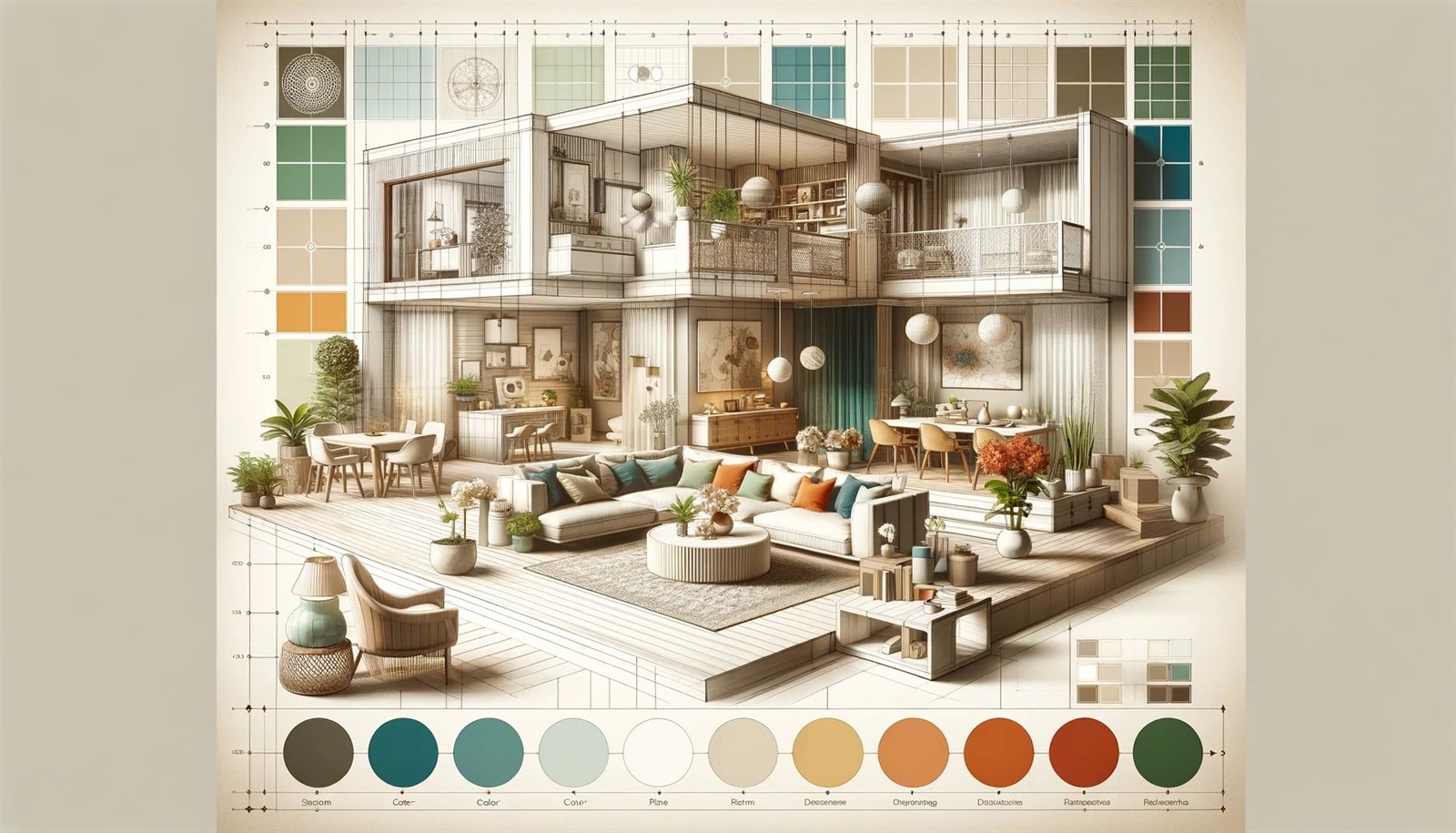
1. Create an Interior Design Plan:
Develop a comprehensive interior design plan to ensure cohesion and functionality.
Consider the layout and color schemes that align with your style and the purpose of each room.

2. Pay Attention to the Color Palette:
Choose colors that evoke the desired mood and atmosphere.
Experiment with popular color schemes like gray, white, black, blue, and beige.
Use the color wheel and consider lighting conditions to make informed color choices.

3. Choose the Right Furniture:
Opt for furniture that is both functional and visually appealing.
Explore modern furniture styles such as mid-century, Scandinavian, and contemporary.
Prioritize quality and versatility while selecting furniture pieces.
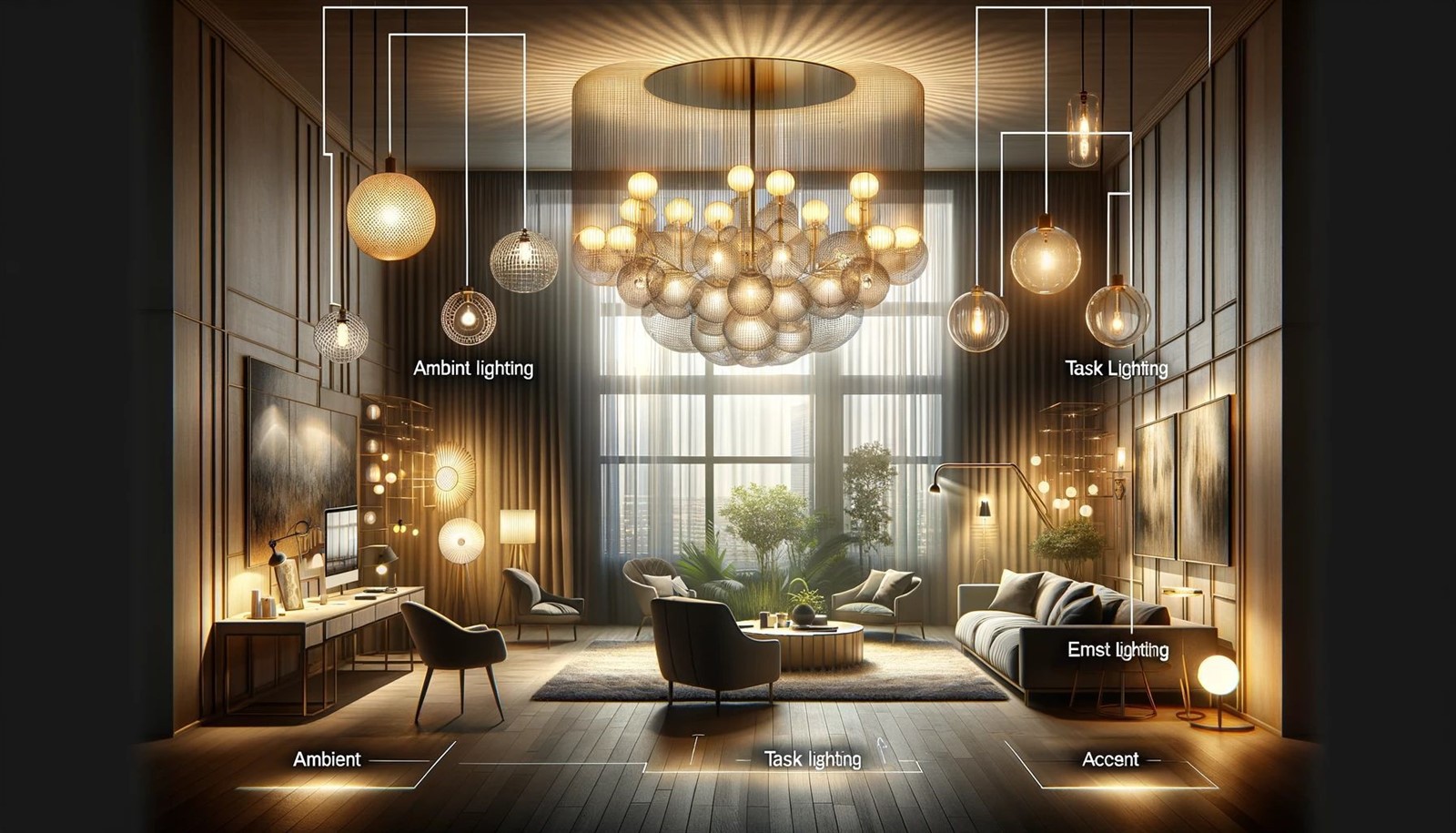
4. Choose the Right Lighting:
Lighting is a crucial element; use a mix of ambient, task, accent, and natural lighting.
Incorporate fixtures like chandeliers, floor lamps, and wall sconces for a well-lit space.
Consider the mood and functionality of each area when planning the lighting design.
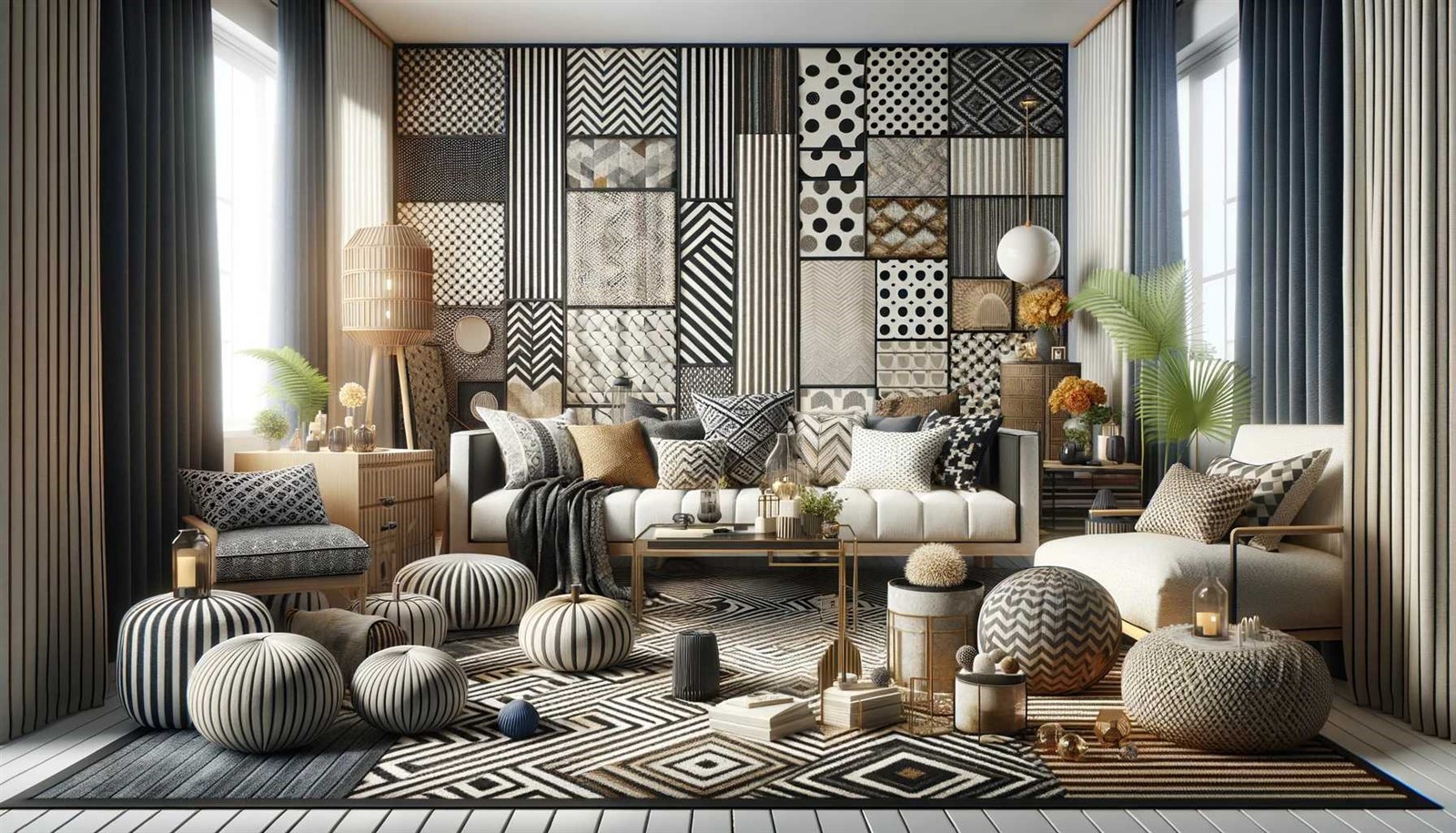
5. Use Textures and Patterns:
Introduce textures and patterns to add depth and interest to your space.
Experiment with geometric shapes, stripes, and polka dots in carpets, pillows, and curtains.
Balance bold patterns with neutral textures to avoid visual clutter.

6. Incorporate Nature:
Bring elements of nature into your design for a calming effect.
Use materials like bamboo, rattan, and WPC (Wood Plastic Composite) to add a natural touch.
Enhance natural light and views with large windows and indoor plants.

7. Create a Focal Point:
Designate a focal point in each room to draw attention and add interest.
Consider large artworks, sculptural furniture, or unique architectural features.
Use lighting strategically to highlight the chosen focal point.

8. Add Artwork and Accessories:
Artwork and accessories personalize a space and add character.
Choose pieces that complement the overall style and color scheme.
Mix vintage and new elements to create a unique and sophisticated look.

9. Consider Functionality:
Prioritize functionality to ensure a comfortable and efficient living space.
Optimize room layouts for easy movement and accessibility.
Choose durable and easy-to-maintain materials for furniture and surfaces.

10. Add Personalized Touches:
Infuse your personality into the design with personalized touches.
Display meaningful items, family heirlooms, and favorite artworks.
Create a gallery wall with photos and memorabilia to tell your story.
Remember to balance aesthetics with practicality, and don't be afraid to experiment with different styles to create a space that truly reflects your taste and lifestyle.
Additional Questions:
Common Materials in Modern Houses:
Glass, steel, concrete, wood, and WPC materials are often used in modern house construction.
Sustainability is emphasized, leading to the use of eco-friendly materials like bamboo and recycled metals.
Popular Color Schemes:
Modern interiors often feature bold colors such as navy, emerald green, and burgundy.
Neutral tones like white, gray, and brown are prevalent.
Monochromatic patterns and contrasting color choices are common for a bold effect.
Making Homes More Environmentally Friendly:
Use sustainable materials like WPC and recycled metals.
Maximize natural light and ventilation to reduce reliance on artificial lighting and cooling.
Incorporate green spaces, such as gardens and green roofs, for improved environmental impact.
Current House Design Trends:
Open floor plans, minimalist design, large windows, and smart home technology are popular trends.
Emphasis on sustainability and eco-friendly features.
Blend of modern and traditional elements for a unique aesthetic.
Challenges in Building Modern Houses:
Balancing function and style.
Maximizing natural light and airflow while ensuring privacy.
Addressing space constraints, especially in urban areas.
Achieving energy efficiency and sustainable design.
Creating a well-designed modern living space involves thoughtful planning, a balance of elements, and personal touches that make it uniquely yours.


